
Diwali 2026 Date, Festival Facts, Story, Significance, Celebrations, and Foods
ॐ Deities worshipped: Lakshmi
Diwali is celebrated across India.
📅 8 Nov 2026
Also called: Deepawali
About Diwali
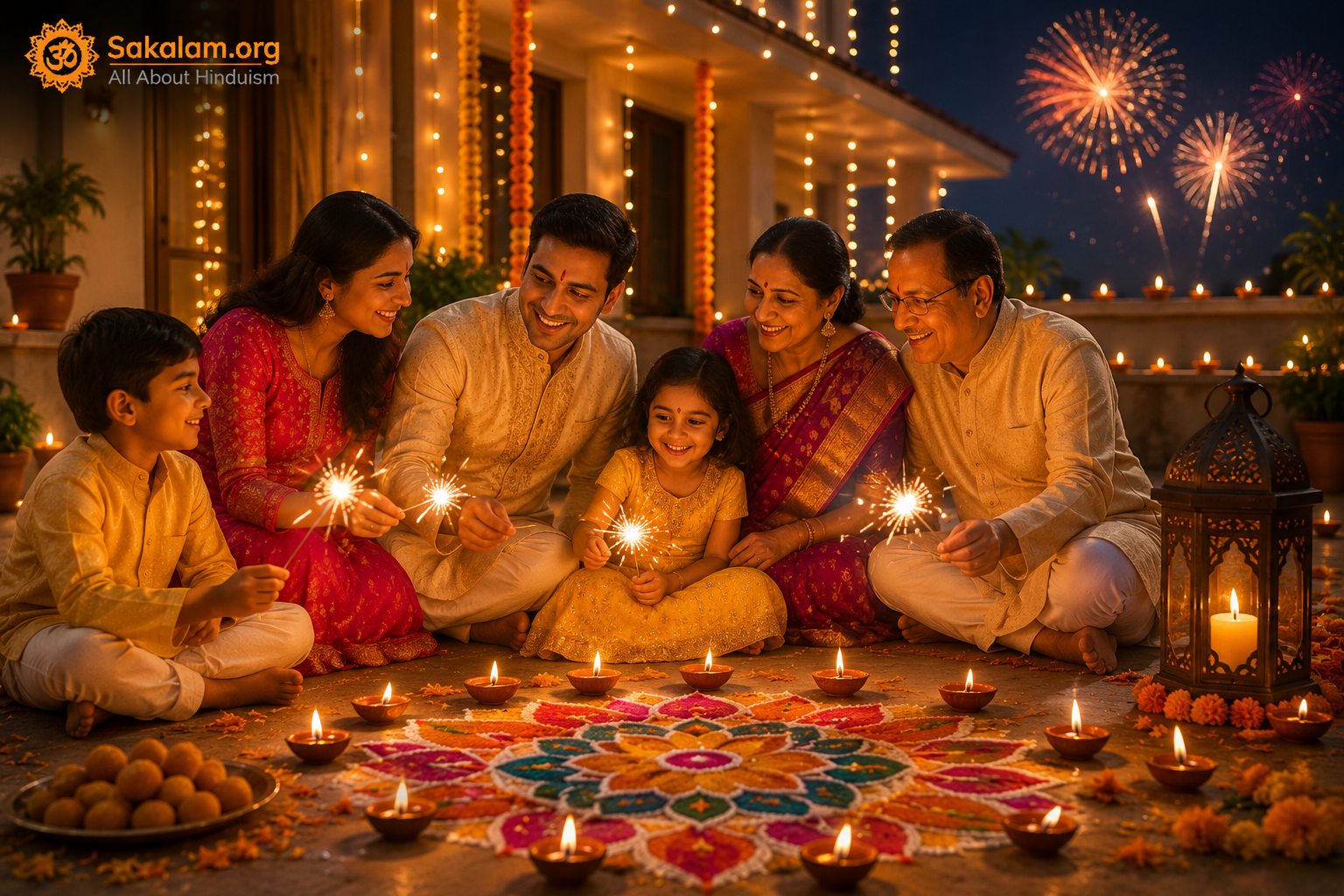
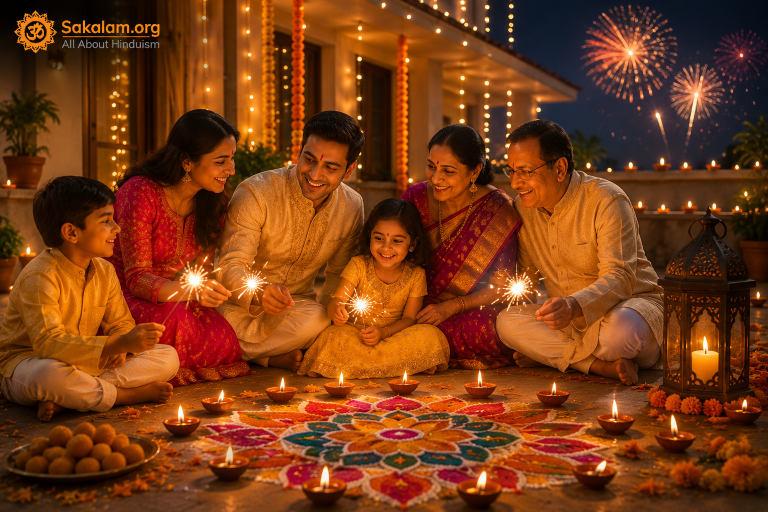
Diwali, also known as Deepavali, is one of the most important festivals celebrated in India and by Hindus worldwide. The festival is associated with the victory of light over darkness and good over evil.
It is also a time for family gatherings, prayers, traditional foods, gifts and festive celebrations.
Diwali Date 2026
Diwali will be celebrated on Sunday, November 8, 2026. Lakshmi Puja is performed on the main Diwali day, but the exact Puja Muhurat depends on the location and should be checked according to the local Panchang.
Diwali is traditionally observed over five days. The five days are Dhanteras, Choti Diwali or Naraka Chaturdashi, Diwali, Govardhan Puja and Bhai Dooj.
Deities Worshipped on Diwali
Goddess Lakshmi is closely associated with Diwali and is worshipped for wealth and prosperity. Lord Ganesha is also worshipped during the main Diwali Puja.
Lord Krishna is associated with Naraka Chaturdashi and Govardhan Puja, while Lord Rama is connected with one of the most widely known Diwali traditions.
Why Is Diwali Celebrated?
Diwali is associated with the victory of light over darkness, knowledge over ignorance and good over evil. It is also considered a time for reflection, seeking forgiveness and making a fresh start.
The festival has both religious and cultural significance. Families and communities come together for prayers, meals, gifts and other celebrations.
Legend / Story Behind Diwali
One of the most popular stories associated with Diwali is the return of Lord Rama to Ayodhya after defeating Ravana. According to this tradition, the people of Ayodhya welcomed Rama by lighting lamps and decorating the city with lights.
Diwali is also associated with Goddess Lakshmi. She is worshipped during the festival as the goddess of wealth and prosperity.
Five Days of Diwali
- Day 1: Dhanteras – People clean their homes and purchase new items, especially gold and silver, as these purchases are considered auspicious.
- Day 2: Choti Diwali – Also known as Naraka Chaturdashi, this day is associated with Lord Krishna’s victory over the demon Narakasura. People decorate their homes with clay lamps and rangoli.
- Day 3: Diwali – This is the main day of the festival. People wear new clothes, perform prayers, light lamps and candles, and celebrate with family. Lakshmi Puja is performed on this day.
- Day 4: Govardhan Puja – This day is associated with Lord Krishna lifting Govardhan Hill to protect people from heavy rains. Devotees prepare and offer vegetarian dishes to Lord Krishna.
- Day 5: Bhai Dooj – This day celebrates the bond between brothers and sisters. Sisters apply tilak to their brothers and pray for their well-being. Brothers give gifts to their sisters.
Puja Vidhi – How Diwali is Observed
The source content provides a general description rather than a detailed traditional Puja procedure. A brief summary of the observance is:
- Clean the home and decorate it with lamps and rangoli.
- Prepare for worship and arrange the items required for the Puja.
- Perform Lakshmi Puja on the main Diwali day.
- Light lamps and candles as part of the celebration.
- Pray to the deities and seek their blessings.
- Share sweets and gifts with family, friends and neighbours.
Diwali Foods
Food is an important part of Diwali celebrations. Families prepare and share traditional sweets, savoury snacks, fruits and dry fruits.
- Festive sweets: Ladoos, barfis, gulab jamuns and rasgullas are popular Diwali sweets.
- Savoury snacks: Samosas, pakoras, mathri and chivda are commonly enjoyed during the festival.
- Dry fruits: Almonds, cashews and raisins are shared with family and friends and may also be offered as prasad.
- Fresh fruits: Fruit platters can be part of festive meals and offerings.
Scripture Reference
The story of Lord Rama’s return to Ayodhya is found in the Valmiki Ramayana. The account occurs toward the end of the epic, after Rama’s victory over Ravana and his return to Ayodhya.
However, the Valmiki Ramayana does not clearly establish this event as the origin of the Diwali festival or specifically state that the people of Ayodhya lit lamps for Diwali. Therefore, the connection between Rama’s return and Diwali is best described as a traditional association, rather than as a direct statement from the Ramayana.
Frequently Asked Questions
What are the five days of Diwali?
The five traditional days are Dhanteras, Choti Diwali or Naraka Chaturdashi, Diwali, Govardhan Puja and Bhai Dooj.
Which deities are worshipped during Diwali?
Goddess Lakshmi and Lord Ganesha are worshipped during the main Diwali Puja. Lord Krishna and Lord Rama are also connected with different Diwali traditions.
Why is Diwali called Deepavali?
Diwali is also called Deepavali in Telangana, Andhra pradesh, Karnataka and Tamil Nadu The name is commonly explained as referring to a row or series of lights.
Is Diwali mentioned in the Ramayana?
The Valmiki Ramayana describes Lord Rama's return to Ayodhya, which is traditionally associated with Diwali. However, the text itself does not clearly identify this event as the origin of Diwali.
Diwali, the festival of lights, is a significant and widely celebrated Hindu festival. In 2023, Diwali is set to be celebrated on October 25th. This joyous occasion symbolizes the victory of light over darkness, knowledge over ignorance, and good over evil.