
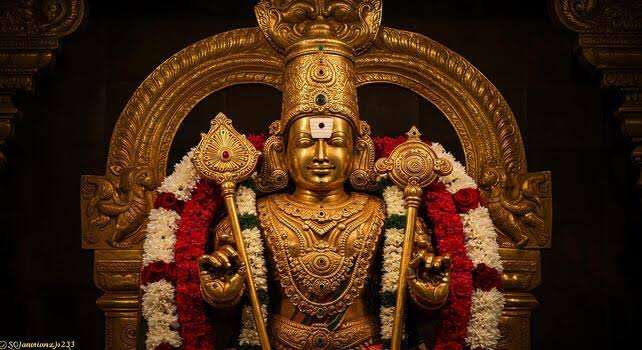
Agni Natchathiram 2027 Date & Timings – Kathiri Veyil 2027
ॐ Deities worshipped: Skanda
Kathiri Veyil is celebrated in Tamil Nadu.
📅 4 May - 29 May 2027
Also called: Agni Natchathiram, Kathiri Veyil, Agni Karthi
What Is Agni Natchathiram
Agni Natchathiram falls during peak summer, which is why it carries the name “Agni” (fire). As per the Panchanga, each nakshatra is divided into four quarters.
The period covers the sun’s passage through the 3rd and 4th quarters of Bharani Natchathiram, all four quarters of Krittika Natchathiram, and the 1st quarter of Rohini Natchathiram. Together, these mark the 21 days of Agni Nakshatram.
Other Names for Agni Natchathiram
This period is known by several names. It is also called Agni Nakshatram, Kathiri Veyil, Agni Veyil, and Agni Karthi. Other spelling variants include Akni Natsathiram, Katthhir, and Kartari.
Agni Natchathiram Story
The story behind Agni Natchathiram comes from the Mahabharata. It explains why Lord Agni, the fire god, needed to burn the Khandava forest.
Sages had performed a long fire ritual (yagam) that lasted twelve years, using large amounts of ghee as offering. Agni consumed all of it during this time. This left him weak and dull, and he lost his natural glow.
To recover his strength, Agni needed to burn something large enough to restore him. He chose the Khandava forest for this purpose. But the forest was protected by Lord Indra, the rain god, because Indra’s friend, the serpent king Takshaka, lived there. Every time Agni tried to set the forest on fire, Indra sent heavy rain to put it out.
Unable to succeed on his own, Agni approached Lord Krishna and Arjuna for help. Both agreed to assist him. Krishna and Arjuna asked Agni for suitable weapons first. Agni gave Arjuna the Gandiva bow along with an endless supply of arrows, and gave Krishna the Sudarshana Chakra along with a chariot.
With these weapons, Krishna and Arjuna stood guard around the forest while Agni set it ablaze. When Indra sent down rain to stop the fire, Arjuna used his arrows to form a cover over the forest, blocking the rain from reaching the flames. This let Agni burn continuously for 21 days without interruption.
The 21-day period is said to be divided into three stages of seven days each:
- First seven days: Agni consumed medicinal herbs and plants in the forest to regain his strength.
- Next seven days: Agni consumed the larger trees and vegetation, growing stronger.
- Final seven days: Agni’s hunger settled, and his natural brightness returned in full.
This 21-day span from the legend is linked to the 21-day Agni Natchathiram period observed today. Just as Agni’s fire was at its most intense during those days, the sun’s heat is considered to be at its peak during Agni Natchathiram.
Rituals and Importance
Agni Natchathiram holds great significance for devotees of Lord Murugan. It is observed with particular devotion at Palani, one of the Arupadai Veedu temples of Lord Murugan.
- Temple visits: Devotees flock to Lord Murugan temples during this period, especially Palani.
- Girivalam pradakshina: Some devotees perform pradakshina around the holy hill in Thiruvannamalai.
- Special abhishekam: Many temples perform abhishekam using earthen pot water soaked in vetiver.
- Avoided ceremonies: Agni Natchathiram is considered inauspicious, so housewarming ceremonies, marriages, and other auspicious events are avoided during this period.