Somnath Jyotirlinga Temple – History, Timings and Visiting Guide
ॐ नमः शिवाय (Om Namah Shivaya)
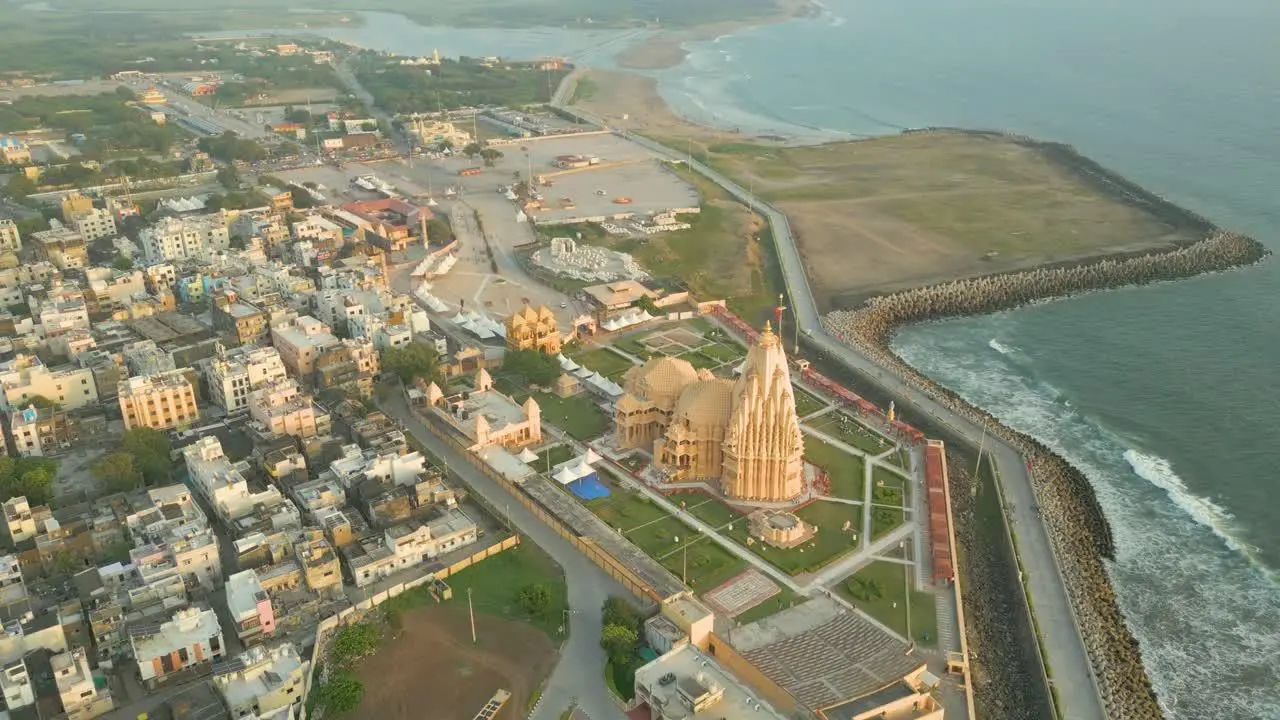
The Somnath Temple, located at Prabhas Patan near Veraval in Gujarat, is revered as the very first among the twelve sacred Jyotirlingas of Lord Shiva. Reconstructed beautifully in the traditional Chaulukya architectural style, this historic coastal shrine stands as a monumental symbol of devotion and resilience.
The temple is open daily for devotees from 6:00 AM to 1:00 PM in the morning, and 1:00 PM to 10:00 PM in the evening.
👥 Expect heavy crowds on Maha Shivratri and Kartik Purnima.
Visit Somnath Jyotirlinga Temple
🕑 Temple timings
Daily
📍 Address and contact
Somnath Mandir Rd, Somnath, Prabhas Patan, Gujarat 362268
Plan Your Visit
Somnath Temple, at Prabhas Patan near Veraval in Gujarat on the western coast of India, is the first of the twelve Jyotirlingas and it is a major pilgrimage destination in Gujarat.
Significance
Somnath is revered as the first among the twelve Jyotirlingas of Lord Shiva. A Jyotirlinga represents Shiva as the infinite, radiant form of divine light.
The Dwadasha Jyotirlinga tradition identifies twelve sacred locations associated with Shiva’s divine presence. Somnath is named first in the widely recited Dwadasha Jyotirlinga Stotram written by Adi Shankaracharya, सौराष्ट्रे सोमनाथं च श्रीशैले मल्लिकार्जुनम् । (Saurashtre Somanatham cha).
The verse identifies Somnath in Saurashtra, followed by Mallikarjuna at Srisailam.
The Shiva Purana and the Skanda Purana’s Prabhasa Khanda are important scriptural sources associated with the Somnath.
The Story of Somnath Jyotirlinga
The origin of Somnath is associated with Chandra, the Moon God, and his worship of Lord Shiva.
According to Puranic scriptures, Chandra married the twenty-seven daughters of Daksha Prajapati, who represent the twenty-seven lunar nakshatras. Chandra favoured Rohini over his other wives.
Daksha became displeased and cursed Chandra, causing him to lose his radiance. In search of relief, Chandra followed the advice of Brahma and travelled to Prabhas Tirtha.
There, Chandra performed penance and worshipped Lord Shiva. Pleased with his devotion, Shiva relieved him of the curse and granted him a blessing that allowed his radiance to wax and wane.
This story is traditionally associated with the waxing and waning phases of the Moon.
The name Somnath means “Lord of Soma,” with Soma being another name for Chandra. Someshwara is another traditional name for Lord Shiva at this sacred site.
History & Architecture
Somnath has a long history of worship, temple construction and reconstruction. Its religious importance predates the present temple by many centuries.
Ancient and Medieval History
The Prabhas region was an established pilgrimage centre, associated with Shiva worship and the sacred confluence of rivers.
Historical records describe several phases of temple construction and restoration.
- 1026 CE: The temple was attacked and plundered by Mahmud of Ghazni, according to historical accounts.
- 12th century: King Kumarapala of the Chaulukya dynasty restored the temple. A 1169 CE inscription associated with the Prabhas region records the temple’s history and Kumarapala’s role.
- 13th and 14th centuries: Further attacks and rebuilding occurred under successive rulers.
- 18th century: Ahilyabai Holkar established another Shiva shrine at Somnath, which remains distinct from the present main temple.
These events are documented in historical accounts and government heritage material.
The architecture of Somnath Temple
The modern reconstruction began after India’s Independence.
Sardar Vallabhbhai Patel visited the temple ruins in November 1947 and supported the reconstruction project. The Somnath Trust was established to oversee the work.
The present temple was built in the traditional Chaulukya style of Hindu temple architecture, with work carried out by traditional Sompura temple builders. On 11 May 1951, India’s first President, Dr. Rajendra Prasad, participated in the Pran-Pratistha ceremony of the reconstructed temple. This date marks the consecration of the present shrine. The fully reconstructed temple was dedicated to the nation in 1995.
The main architectural features include:
- Garbhagriha: The sanctum where the Jyotirlinga of Lord Shiva is worshipped.
- Shikhara: The towering structure above the sanctum, forming the temple’s prominent skyline.
- Sabhamandapa: The assembly hall where devotees gather for worship and religious observances.
- Nrityamandapa: The traditional dance hall forming part of the temple’s architectural arrangement.
Pujas and Rituals
The following are common forms of Shiva worship associated with the temple and its devotional tradition. Availability of individual services at the shrine must be confirmed with the temple authorities.
| Puja or practice | Religious purpose |
|---|---|
| Darshan | Viewing and offering prayers to Lord Shiva |
| Abhishekam | Ritual bathing of the Shiva Lingam with prescribed offerings |
| Rudrabhishekam | Shiva worship accompanied by recitation of Sri Rudram and ritual offerings |
| Archana | Offering prayers with the recitation of divine names |
| Aarti | Offering a ceremonial light to the deity |
Devotees may also recite Om Namah Shivaya, the Maha Mrityunjaya Mantra and Shiva Stotras as part of their personal worship.
The specific puja schedule, materials, fees and eligibility requirements for special services should be verified through the Somnath Temple Trust’s official website.
Dress Code & Restrictions
Dress Code: Shree Somnath Temple requires modest clothing that covers the shoulders and knees. Shorts, sleeveless tops, and short dresses are not allowed. Traditional attire is recommended.
Entry Restrictions: Mobile phones, cameras, smartwatches, power banks, tablets, and remote car keys are prohibited inside the temple. Non-Hindu visitors must register their details and obtain prior permission from the General Manager’s Office for darshan.
Major Festivals Celebrated Here
Accommodation & Facilities
- 🏠 Guest House / Rooms: Available — Temple accommodation is available, along with several private and high-end hotels located near the Somnath Temple.
- 🚗 Parking: Available
How to Reach Somnath Jyotirlinga Temple
Frequently Asked Questions
Is Somnath the first Jyotirlinga of Lord Shiva?
Yes. Somnath is traditionally regarded as the first of the twelve Jyotirlingas of Lord Shiva and is identified as such in the Dwadasha Jyotirlinga tradition.
Do’s and Don’ts
Do’s
- Wear modest clothing that covers your shoulders and knees.
- Deposit prohibited electronic gadgets at the official cloakroom before entry.
Don’ts
- Avoid shorts, sleeveless tops, and short dresses.
- Do not carry large luggage, bags, tobacco products, cigarettes, alcohol, or non-vegetarian food.
- Avoid carrying leather items such as belts and wallets.
- Do not take photographs or record videos inside the temple complex.